
Welcome to the world of real-time bidding (RTB), where milliseconds determine the fate of digital ad impressions. As a newcomer, understanding RTB can feel daunting, but with a grasp of the basics, you’ll soon navigate this dynamic landscape with confidence.
The Basics
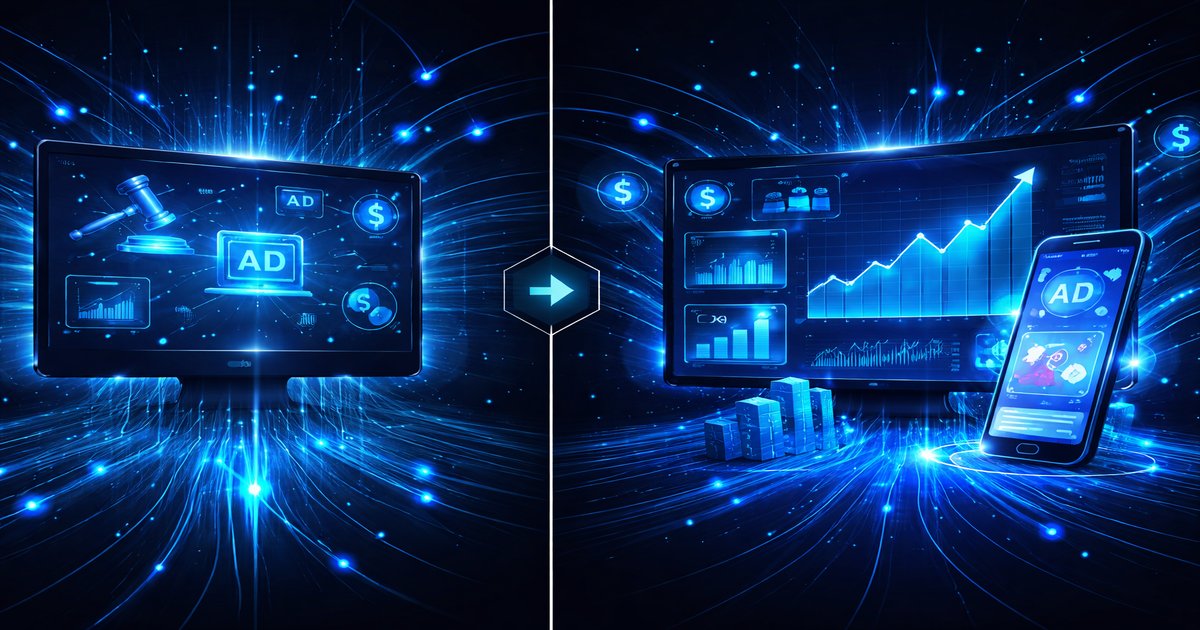
Real-time bidding is a method of buying and selling online ad impressions through real-time auctions, happening in the time it takes a webpage to load. Unlike traditional ad buying, RTB allows advertisers to bid on each impression individually, often within 100 milliseconds. The process begins when a user visits a webpage integrated with an ad exchange. The exchange sends out a bid request to multiple advertisers, containing details like user behavior, demographics, and page context. Advertisers then analyze this data and decide how much to bid for the impression. The highest bidder wins the ad placement, and their ad is instantly served to the user. This system offers precise targeting for advertisers and maximized revenue for publishers, making it a cornerstone of programmatic advertising.
- Understand the Ecosystem: Familiarize yourself with the key players—demand-side platforms (DSPs), supply-side platforms (SSPs), ad exchanges, and data management platforms (DMPs). Each serves a unique function in the RTB process.
- Select a DSP: Choose a demand-side platform that aligns with your advertising goals. Evaluate options based on factors like user interface, targeting capabilities, and pricing model.
- Set Campaign Objectives: Define clear objectives for what you wish to achieve, whether it’s brand awareness, lead generation, or sales. This will influence your bidding strategy.
- Create Targeting Criteria: Use data insights to build detailed targeting profiles. Consider factors such as demographics, interests, geolocation, and device types.
- Monitor and Optimize: Continuously track the performance of your campaigns using metrics like CTR, conversion rates, and ROI. Use this data to refine your bidding strategies and targeting.
- Stay Informed: RTB is a fast-evolving field. Regularly educate yourself on the latest trends, technologies, and algorithms to stay competitive.
Terms You’ll Hear
| Ad Exchange | A digital marketplace where advertisers and publishers buy and sell ad space, typically through RTB auctions. |
| Bid Request | A signal sent by an ad exchange to potential advertisers, containing data about the user and context for ad targeting. |
| Demand-Side Platform (DSP) | A technology platform that allows advertisers to automate the buying of ad impressions in real-time. |
| Supply-Side Platform (SSP) | A platform used by publishers to manage, sell, and optimize available ad space. |
| Data Management Platform (DMP) | A system that collects and analyzes vast amounts of data to help advertisers better understand and target audiences. |
| Impression | A single instance of an advertisement being displayed on a webpage to a user. |
Where to Go From Here
Having grasped the basics of real-time bidding, consider deepening your understanding by exploring advanced topics such as header bidding, audience segmentation, and cross-device targeting. Engaging with industry forums and attending webinars can provide valuable insights into cutting-edge practices. If managing campaigns, begin experimenting with different DSPs and fine-tune your strategies through A/B testing and performance analysis. As you gain experience, collaborating with seasoned professionals in the field can offer strategic guidance and help you stay ahead of the curve in this swiftly evolving arena.
What is the difference between a DSP and an SSP?
A DSP (Demand-Side Platform) is used by advertisers to purchase ad impressions efficiently, while an SSP (Supply-Side Platform) is used by publishers to manage and sell their available ad space.
How does RTB benefit advertisers?
RTB provides advertisers with enhanced targeting capabilities, allowing them to bid on impressions that meet specific criteria, thereby improving campaign effectiveness and cost efficiency.
Is RTB suitable for all types of advertising?
RTB is particularly effective for digital display and video advertising, but it may not be the best fit for every campaign, especially those requiring guaranteed placements or high-impact formats like native or sponsorship ads.